The receipt of a restaurant reveals that a customer ordered several alcohol-based beverages. A few hours later, the customer is in the middle of a traffic collision. The receipt might be pertinent to an attorney who is investigating potential liability for the victim of a Dramshop. It’s not necessarily a proof of whether the restaurant served someone who was clearly drunk or in the event that employees didn’t adhere to procedures. The more revealing evidence may relate to what transpired between the drink orders.
Understanding the order of events requires an examination of the alcohol industry as a hospitality service, not just counting beverages after an incident.
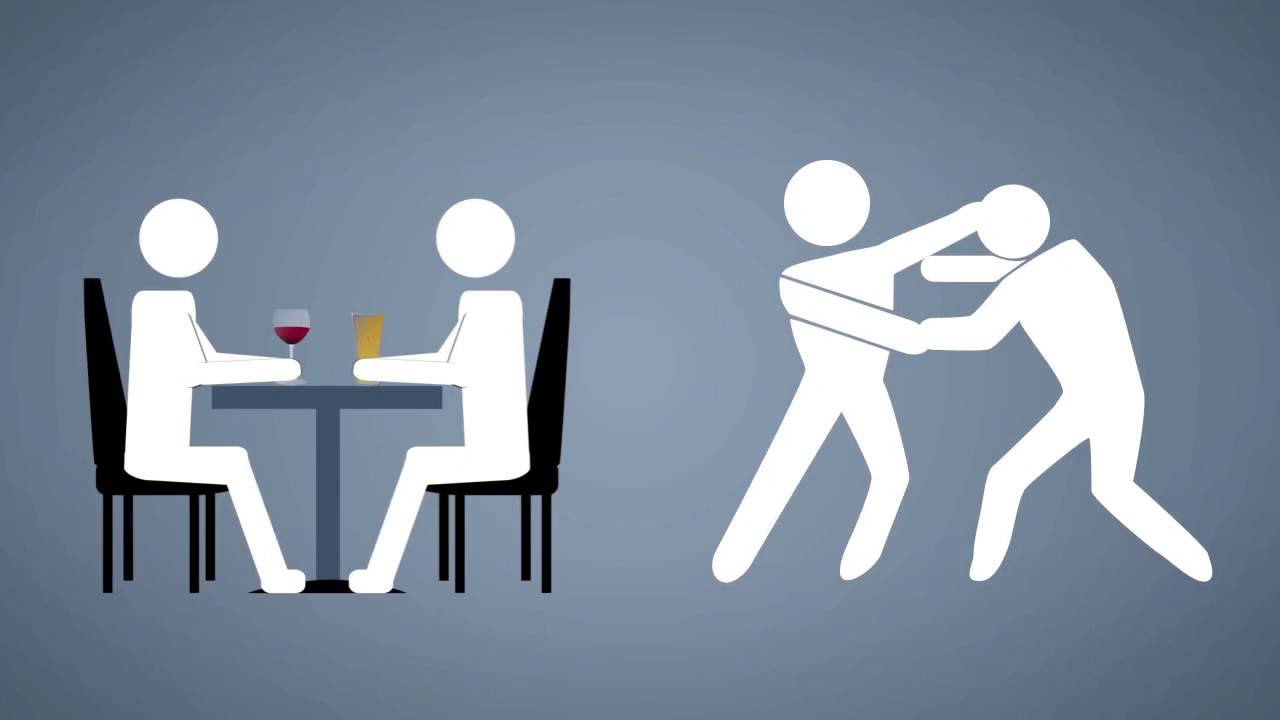
A receipt is an evidence of a sale and not a condition of the buyer
Point-of-sale data can be used to determine the date and time of transactions, what beverages were purchased, as well as what charges were assigned to the tab.
The receipt does not provide information about the behavior of a person when served drinks. It is not always possible to determine who consumed the drinks, if they were shared, or even what the bartender observed.
A certified Expert Witness can help attorneys interpret the records together with surveillance footage, testimony from employees as well as any other evidence that is available. It is vital to retrace the order of service, without believing that each purchase will tell the whole story.
What are the things employees can actually see?
The most important issue in alcohol-service disputes concerns whether staff members had plausible grounds to conclude that the customer was intoxicated. The relevant observations include speech impairment or impaired coordination troubles with balance or alteration in behavior.
But these indicators require the context. A single action captured on surveillance footage may have explanations unrelated to alcohol consumption. Investigators should look at the camera’s angle, the recording quality location of employees, and the extent to which a particular behaviour was visible to staff.
Preston Rideout has experience as a nightclub manager, bar manager, director of bar operations, and bartender. His experience in operations helps him make connections between the responsibilities and limitations of those who work in busy hospitality settings.
Written Training Doesn’t Always Describe Real Practice
A majority of alcohol-related investigation investigations ask concerns about the preparation of employees. Was there any formal training for the servers-sellers? Did the establishment provide training to employees to identify signs of intoxication? Management explained the process for refusing to offer any additional services?
These questions are central to Responsible alcohol service service, but reviewing training certificates alone may not answer them.
A venue might maintain detailed policies but never implement them consistently. Employees may have adhered to the accepted standards of service, even if the end result was tragic.
A review of operations examines training materials and employee testimony. The review also examines management oversight as well as the specific actions described during the incident. Defense attorneys and plaintiffs can benefit from a clear distinction between the existence of a policy and its actual execution.
The Timeline often provides the key Questions
Consider a client who is served by several bartenders the same time on a busy time. It’s possible that the initial employee observed normal behaviour. Following a shift switch another bartender might have served a different drink. A manager later, could have intervened.
It’s possible to make these choices appear to be a single continuous act of service without having to reconstruct the time line. Examining the personnel schedules, transaction records as well as surveillance footage and incident reports can help clarify who knew what and when. Missing footage or incomplete records should be identified instead of being re-used with speculation.
The issues surrounding legal liability and industrial practice are two different issues.
Professionals in hospitality can provide explanations and judge if a facility is following recognized operating procedures.
They do not replace the legal responsibility of the court to determine the legal responsibility. The laws governing liquor stores differ across states, including the circumstances that alcohol retailers could have to answer civil claims.
Rideout Hospitality Consulting provides support to defense attorneys and plaintiffs in the United States through case reviews, operational analyses, written opinions depositions, trial testimony and other types of evidence. Its work focuses on alcohol-service decisions and staff training.
The most robust analysis explains what the Evidence Cannot Show
The seriousness of an alcohol-related event cannot be a conclusive indicator of the previous circumstances.
The attorney must know the records available, their limitations, and the expectations of employees under the conditions.
An analysis of hospitality is a thorough way to separate assumptions from documented actions and determine if the location’s practices are in line with recognized standards or not. This distinction allows courts to evaluate what actually transpired rather than relying solely on what became known following the fact.