In veterinary practices, phones aren’t defunct just because the office closes. Pets are susceptible to illness in the middle of the night, and clients can panic at weekends, and the most urgent questions seldom occur at a time that is convenient. The calls are usually not answered or redirected to voicemail. Sometimes, they are sent to an answering company which has no expertise in clinical care. This can cause frustration from pet owners and stress for the veterinarians in calls.
This is the reason that after-hours communication is such an essential aspect of vet operations. A good veterinary answering system goes beyond picking up the phone. It can help practices maintain connections with clients, help guide pet parents to the next optimal step and reduce the work load of the staff within them. After-hours service is no longer a luxury in today’s veterinary world. It’s a part and parcel of a practice’s commitment to continuous treatment.
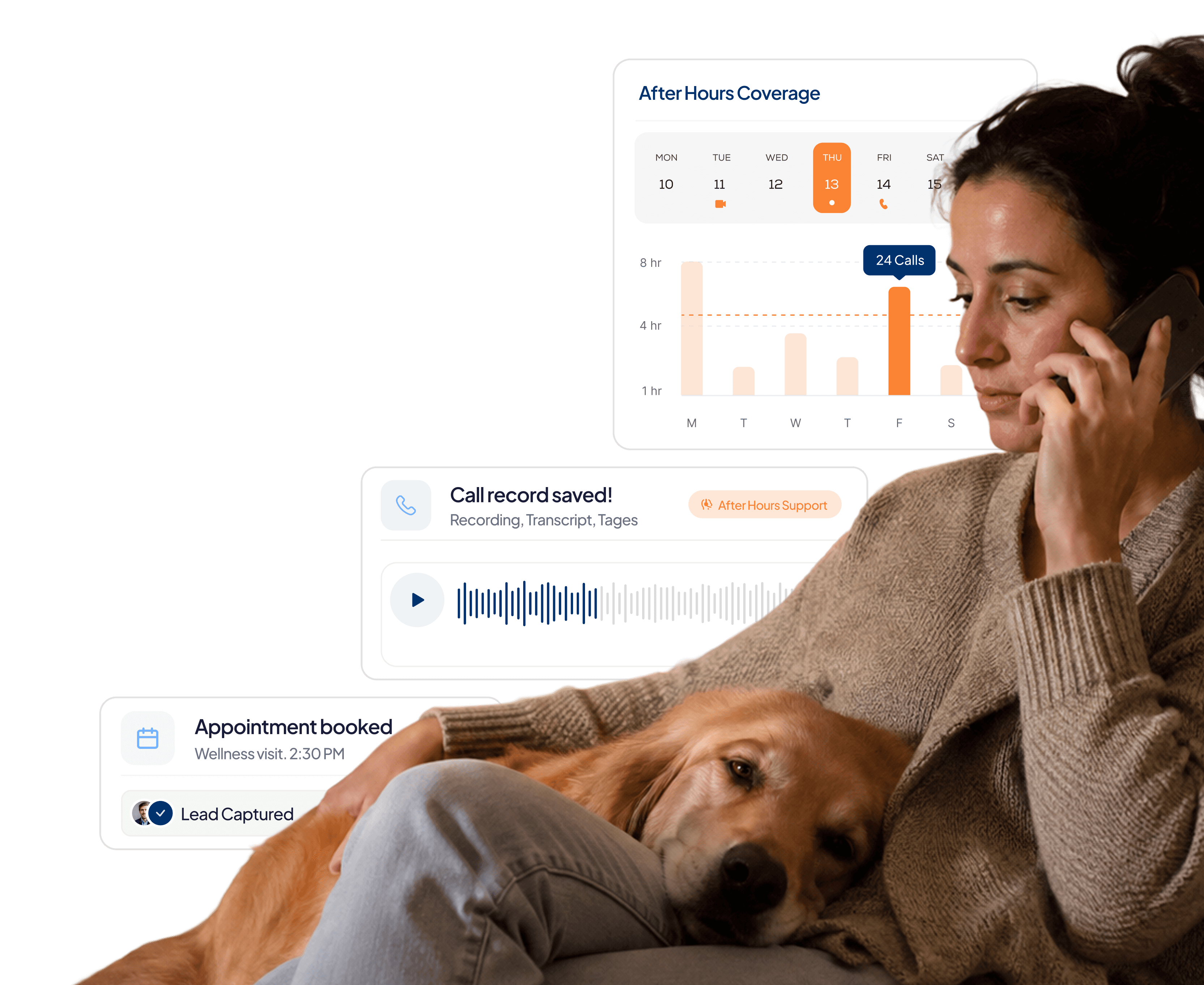
Image credit: guardianvets.com
There are many answer options that are designed for use in veterinary medicine
There is a major difference between a generic answering service and a specialized vet answering service built specifically for animal hospitals. In a hospital environment answering calls after hours is not always easy. Clients may be concerned about toxin exposure and post-surgical complications. They may also be concerned about vomiting or breathing problems or if the pet needs urgent medical attention. Such situations go beyond message-taking. They require judgement, structure and calm communication by someone who knows the workflow of veterinary medicine and the urgency.
This is where GuardianVets differentiates itself. Instead of functioning as a typical call center GuardianVets operates as a vet-oriented support provider staffed by credentialed Veterinary Technicians. That distinction matters. A trained technician can assess the nature of the call, follow the clinic’s triage and escalation protocols, help the pet owner understand the level of urgency, and direct them toward the right next step without stepping outside the boundaries of the veterinary-client-patient relationship.
Services for triage in veterinary emergencies can help you make better decisions.
A genuine veterinary triage system could provide clarity during stressful times. Pet owners rarely know whether a situation can be delayed until the morning, when they should schedule a follow-up or if they should seek urgent medical attention immediately. If they don’t have a clear path, most will fall to one of two options either they rush to an emergency hospital or they wait too long to seek care.
This gap can be bridged with triage. It provides pet owners with a knowledgeable individual to talk to, reduces confusion, and helps practices ensure urgent cases are escalated appropriately while non-emergent concerns are documented and properly routed. Also, it helps prevent veterinarians from being unable to attend to cases that do not truly need doctor-level care after hours. It can be a real assistance in achieving a better lifestyle, particularly at hospitals where the physicians have to take on both clinical and on-call responsibilities.
Call centers for veterinary practices should be able to integrate in conjunction with your workflow and not against them
Modern veterinary call centers are not a solution that is separate from your practice. It should serve as an extension to your team. This includes understanding your appointment guidelines as well as emergency protocols, ways to escalate, and your communication preferences. Integration with your current PIMS will allow you to integrate triage notes calls, call records, and results of scheduling within the same system your team is using.
GuardianVets was founded on this idea. Its process consists of assessing gaps in coverage for calls as well as mapping out how communication between clients currently works, and building an approach that is based on the reality of the practice instead of forcing the clinic to conform to a rigid structure. It’s an enormous change from traditional answering services which often record messages and leave it up for the clinic.
The convenience isn’t the only benefit of having better coverage after hours
A reliable veterinary answering service after hours is more than just cut down on missed calls. It helps preserve client trust when they are stressed, it keeps more cases in the practice network if it is needed and offers staff a more sustainable way to manage after-hours demand. This will increase revenue through the conversion of weekend or nighttime enquiries into scheduled appointments instead of missed opportunities.
This assures pet owners that they will be able to get help if needed. In the field of veterinary medicine, this type of support is important because many calls after hours don’t just concern logistical issues. These calls are often emotional. They are emotionally charged.
Hospitals who want to improve the quality of care for their clients and team wellbeing, GuardianVets offers a model that goes beyond a standard answering service for vets. It helps practices stay available to clients even when clinic doors are closed, by combining workflow integration, clinical triage and compassionate communication.