A friend mentions that the price of a certain cryptocurrency has doubled. You open a trading accounts and then watch a few videos, and then you feel like investing. But there’s something wrong. You may be able to comprehend the price fluctuation but don’t understand the products you’re purchasing or how it works or what happens when something isn’t working.
Cryptocurrency education should close this gap before actual money becomes involved. Coin Course Coin Course offers educational resources covering the fundamentals of blockchain, cryptocurrency wallets, decentralized finance NFTs, security and trading concepts. These subjects are best learned in a practical manner for those who are just beginning.
Begin with the transaction and not the price chart
A well-written crypto tutorial must describe what cryptocurrency does. Bitcoin is one example. It lets value move through its network without the need for an institution like a traditional bank to keep the transaction ledger. Ethereum is compatible with digital assets as well as applications that use programmable smart contracts.
It’s not easy to comprehend either technology by simply examining its price. Learn the process of creating wallet addresses as well as the reasons why they need confirmation by the network, and how cryptocurrency differs from money in a traditional bank account. These basic concepts can help you comprehend the possibilities and limitations that come with digital assets.
You can follow a single transaction through the blockchain
When technical concepts are tied to familiar activities, they become easier to grasp. Imagine sending cryptocurrency out of your wallet to someone else. Your wallet authorizes a transaction with your private key. The transaction will be sent to the network to check its policies and later it will be added to the blockchain.
A practical blockchain tutorial can demonstrate this process using a block explorer, where users can inspect transaction details and confirmation status.
This exercise also introduces an important security lesson Blockchain transactions can’t generally be canceled because the sender used an address that is not correct. Knowing the mechanics of transactions will help make using a wallet easier to handle.
Learn how to safeguard your Assets prior to Exploring DeFi
Beginners are more focused on making money, but do not pay attention to basic security for their wallets. Private keys provide access to your cryptocurrency. A recovery phrase is a way to restore your wallet and gain access to its assets.
If you share this phrase, your holdings may be at risk. The distinctions between hardware wallets, software wallets, custodial exchanges should be clarified in helpful blockchain guides.
The lessons must also cover the dangers of phishing, suspicious connections to wallets and the dangers of accepting permissions for smart contracts, without fully understanding them. These lessons are particularly important when examining the realm of financial decentralization. Users are directly involved with each other and do not rely on intermediaries that are traditional.
Learn Crypto Trading Without Confusing Activity With Progress
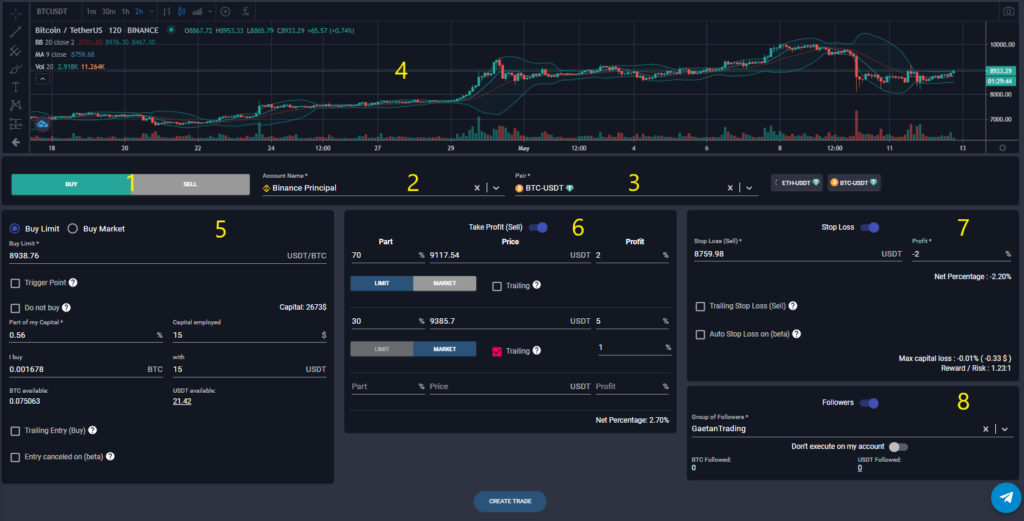
The majority of people who are keen to learn about crypto trading begin with candlestick patterns or technical indicators. Those tools have their place but they shouldn’t be used to replace an understanding of risk. Be aware of how much money you can afford to lose prior to making a decision on trading. Also, consider what could invalidate your idea and how the costs of transactions will impact your outcomes.
A limit order lets you define a specific price, and allows immediate execution. Leverage is a risky option since even minor price changes could result in significant losses.
Beginning traders can try analyzing market trends and record scenarios before committing funds. A trading journal can identify whether trades follow the same strategy or react to the excitement or fear.
Explore Advanced Topics and Answers to Better Questions
Once you have a basic understanding Once the fundamentals are established, it becomes simpler to analyze subjects like DeFi NFTs, smart contracts. Instead of only asking how much a DeFi platform can charge look into where the revenue is derived and the risks users take on.
When studying NFTs make sure to distinguish between the ownership of a token and ownership of the work or intellectual rights that are at the root of.
To stake, you must know if rewards compensate participants for helping build a strong network, or if they come from an arrangement with a financial institution. The Coin Course combines these topics with a broader cryptocurrency experience to assist readers with their understanding of various aspects.
Create knowledge that outlasts market trends
The price of cryptocurrency fluctuates regularly, but the basic concepts remain relevant. Understanding blockchain transactions and wallet security, trading mechanics, applications that are decentralized, and security of wallets will enable you to evaluate new projects instead of solely relying on sales pitches.
Don’t rush into learning all you can about. Start with a concept then practice the concepts you’ve learned, then move to more advanced subjects as the basic concepts make sense. There’s no need to become an expert over night. It’s to gain enough knowledge to recognize risks, ask better questions, and take informed decisions as the cryptocurrency ecosystem grows.