A productive garden rarely begins with expensive equipment or a beautifully maintained property. More likely, it starts with the sowing of a few seedlings, watching the results and making better decisions for the following season.
That practical approach is central to The Sproutstead, an informational resource created for people who want to grow food, improve their soil, preserve what they harvest, and develop useful self-sufficiency skills without getting buried in technical language.
The garden you are in has specific conditions
One reason gardening advice can be frustrating is because gardens aren’t interchangeable. A tomato plant in a raised bed that has sun in one place could act very differently than the same tomato variety that is grown in a dense, heavy soil in a different region.
The art of gardening and homesteading requires more than just following the instructions. Knowing the conditions you live in is important for gardeners. This is a consideration of sunlight soil, temperature, rainfall, the growing season, available area, and how much time you are able to dedicate to maintaining your garden.
The Sproutstead goes over the various variables to enable readers to make changes to gardening advice for an ordinary home instead of trying to recreate an ideal garden.
Vegetable Gardening Starts Below the Surface
People naturally pay attention to plants that they see, but much of the garden’s success is determined in the underground.
A healthy soil balance is essential for drainage, moisture retention and nutrients. Compost is a great way to improve soil over time, and mulching can aid in conserving moisture and suppress the growth of weeds. If you pay attention to these essentials, you can help your vegetable gardening become easier. This is due to better growing conditions will give your plants a solid base.
Planning is equally important. The spacing of plants, the timing of crops as well as companion planting and time of year can all determine the efficiency of a gardener’s use of the limited space.
Tomatillos Are a Good Example of paying attention
If you ask ten gardeners about tomatoes and you’ll probably be told a number of different stories. They’re amongst the most well-known garden crops, but they also demonstrate how several cultivars work in tandem.
If you’re looking to learn how to grow tomatoes, think beyond the planter’s depths and fertilizer schedules. The tomatoes require plenty of sunshine, continuous irrigation, a suitable soil with the right spacing and support when they mature. It is important to choose the appropriate tomato cultivar depending on the growing conditions the available space, as well as the intended use can all affect the type of tomato that is best suited for your needs.
It might not be feasible to resolve the issue by adding more fertiliser. Insufficient nitrogen, temperatures excessive sunlight, temperature, or pollination issues could be at play. It is more efficient than treating every symptoms.
The story of a harvest isn’t Full
When half the vegetables spoil before being eaten this makes the effort of growing 20 pounds of veggies seem less productive. Following harvest, a thoughtful home-growing method considers the whole process.
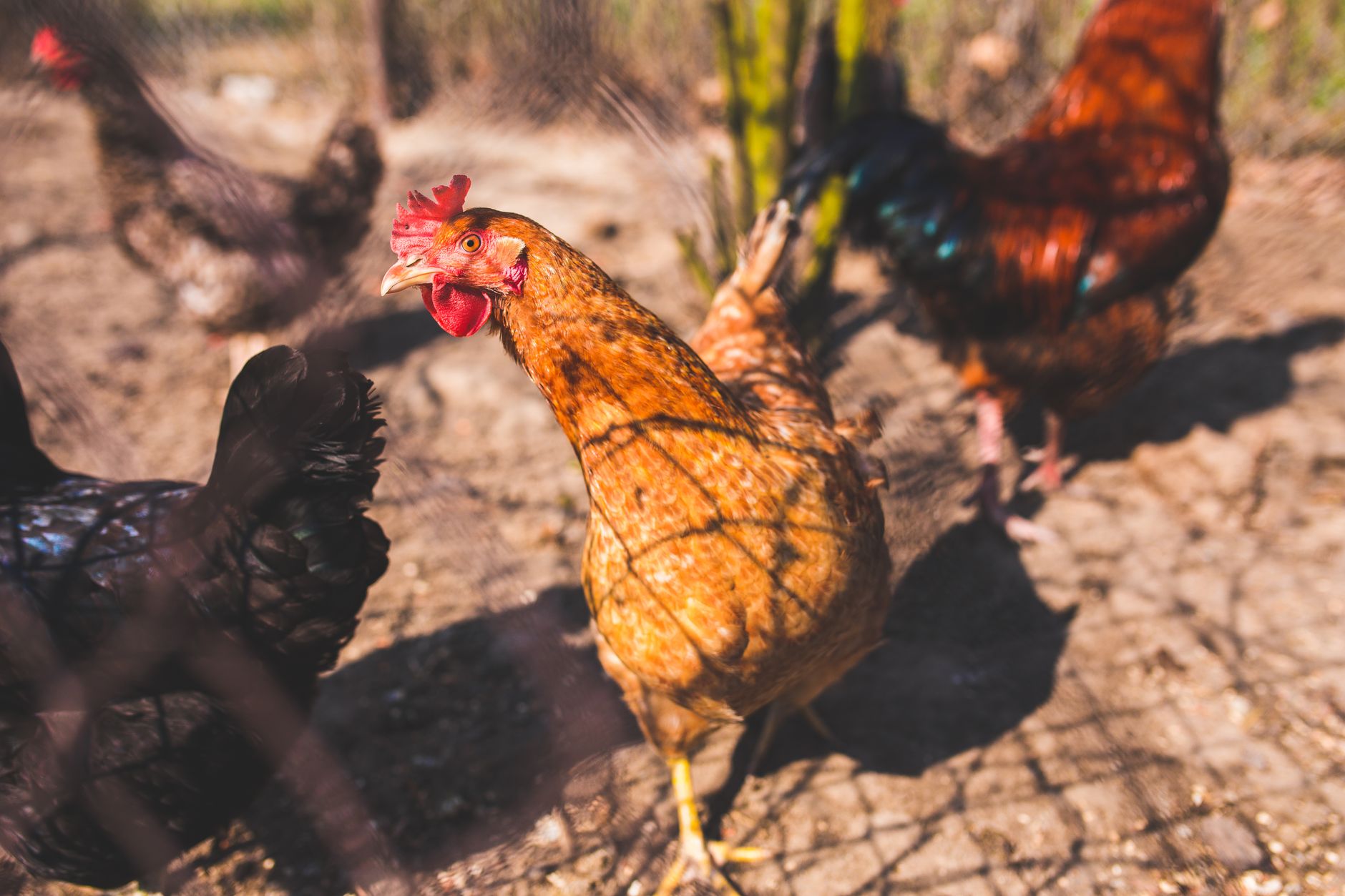
Canning and freezing, drying sharing surplus food, preserving seeds that are suitable, and composting unavoidable scraps can help households increase the value of what they plant. Backyard chickens can be combined with herbs, fruit trees and composting to form a household system.
Everyone doesn’t have to learn every homesteading practice at once. It’s important to make progress in homesteading regardless of whether you’re cultivating lettuce, making an organic compost pile, or preserving your first tomato crop.
Knowledge is Power: More Effective Gardeners are Made by Using the right information.
The most effective gardening education doesn’t promise perfect plants. Pests, weather and seeds’ failures vary from region to region.
The Sproutstead considers these facts as a part of learning rather than as an exclusive feature. Through connecting subjects such as soil and seeds, vegetables, pesticides, preservation chemicals, backyard chickens, or self-sufficiency with other subjects like preservation backyard poultry, self-sufficiency, readers gradually learn how to grow a garden.
It is best to build your garden productively in the same way that plants grow: seasonally, gradually, and from a strong foundation.