Even a developer with six years of practical engineering experience can find it challenging to justify a design decision aloud when interviewed. Someone who has managed effective campaigns may still struggle to recall the most useful performance data under interview pressure.
Neither situation automatically suggests a lack of ability. The interview environment demands several skills at once: recalling prior experience, understanding new questions, organizing ideas, and expressing them clearly despite pressure.
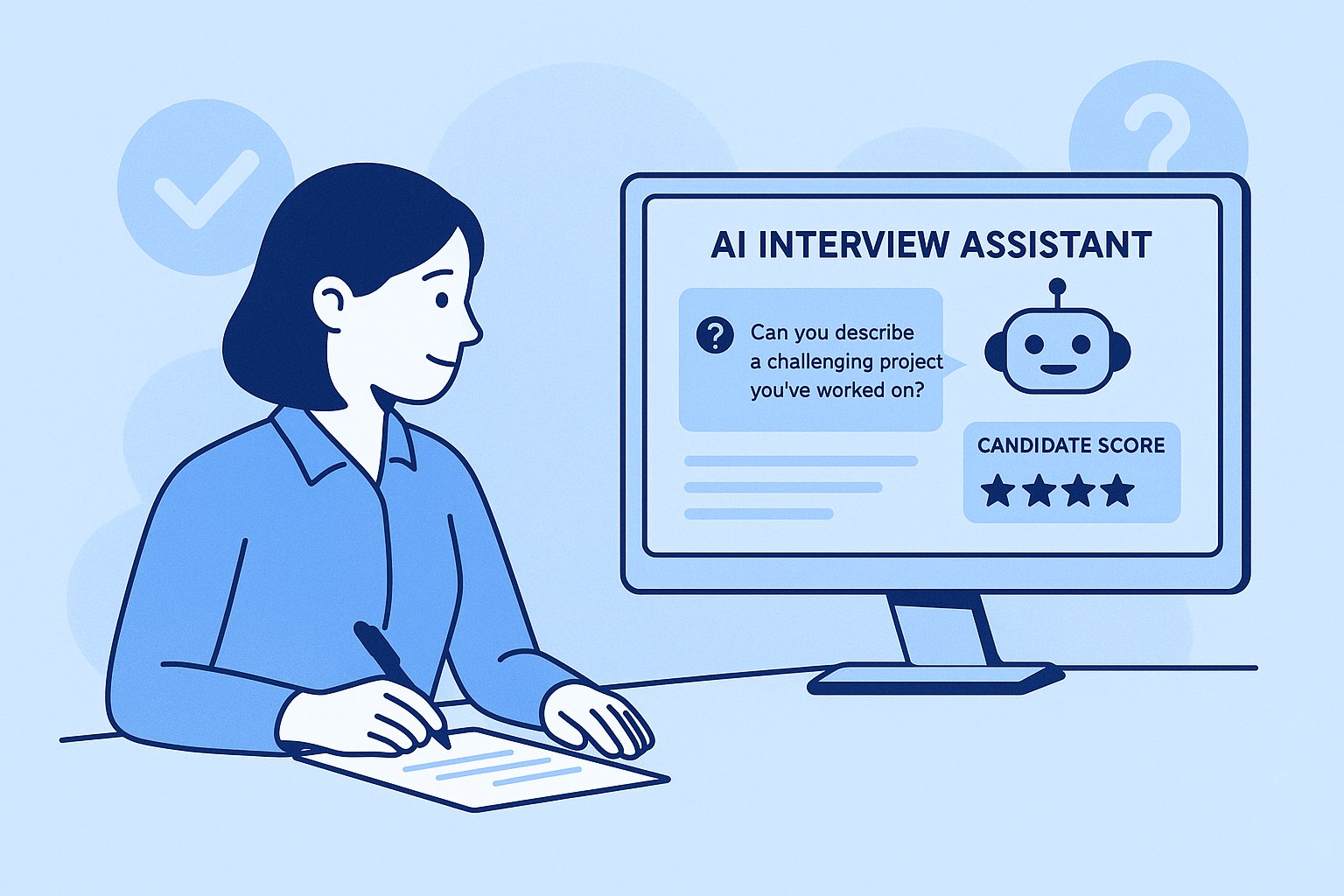
AI technology offers new methods for developing these interview skills. Through preparation tailored to the candidate, simulated interviews, and live response suggestions, Interview Pilot aims to help job seekers feel more confident in professional interviews.
Create a Personal Reference Library of Career Experiences
Traditional interview preparation often begins with searching for common questions and memorizing suggested responses. Such stock responses seldom communicate the individual details of a person’s real work history.
An interviewer might ask, “Tell me about a time you managed a difficult project.” Starting confidently is useful, but an effective explanation goes further. A useful account connects the project’s context with the candidate’s contribution, their decisions, and the final outcome.
Interview Pilot uses information from a candidate’s professional resume, target position, and prospective employer to generate more relevant suggestions.
With an AI interview assistant, candidates can identify appropriate experiences, arrange the evidence behind them, and notice missing details. The next step is to rehearse an accurate account using their own way of speaking.
Articulating Technical Expertise in an Interview
Technical interviewers look beyond a candidate’s familiarity with coding languages, platforms, and engineering concepts. The reasoning behind a choice matters because interviewers often want to see how applicants solve problems and assess competing options.
A discussion about database performance could require an explanation of the benefits of indexing, the costs and compromises involved, and the measurements used to establish faster queries.
Candidates using Interview Pilot can receive suggestions for technical prompts as well as behavioral questions. Through its interview copilot functionality, the platform processes questions asked aloud and generates context-aware suggestions.
Candidates still need to comprehend why a suggested answer makes sense. Independent explanation of technical decisions becomes particularly important when the interviewer asks for further detail or changes the scenario.
Practice Answering in a Conversational Setting
There is a meaningful difference between reviewing interview questions silently and responding out loud. Answering aloud can reveal excessively long openings, confusing explanations, and needless jargon that may go unnoticed during written preparation.
With its interview question bank and AI mock interviews, Interview Pilot gives candidates a way to prepare ahead of time for a recruiter or hiring manager conversation.
A useful preparation method involves answering the same question several times with different levels of detail. A candidate might develop a thirty-second explanation for an initial screening and a more comprehensive response for a technical discussion. Being able to vary an explanation helps candidates avoid sounding scripted while responding to the interviewer’s priorities.
Understand the Rules for AI-Assisted Interviews
Tools offering real-time interview answers introduce additional considerations around professional integrity and employer expectations. Employers differ in their assessment policies: some allow AI tools, whereas others expect applicants to show their skills without help from external tools.
Before using a copilot for interview preparation or live support in a real interview, candidates should establish what assistance the employer allows. When an application processes interview dialogue, applicants must also pay attention to the relevant rules on confidentiality and consent. The best use of AI suggestions is to reinforce what a candidate genuinely knows, not to replace actual skills or fabricate career experiences.
Finding Time for Consistent Interview Practice
Preparing for an interview often means finding time amid professional duties, commuting, and responsibilities outside work. Being able to access preparation tools on different devices can help candidates rehearse more consistently.
Users can access Interview Pilot on Mac and Windows, on iPhone and Android, and via the web. Interview Pilot states that more than one million people worldwide use its service, which includes a free plan with a weekly AI usage allowance and paid subscriptions for unlimited usage.
Successful interview practice involves more than remembering polished phrases. It’s about becoming comfortable discussing what you know, demonstrating how you think, and explaining the value you can bring to an organization.
Interview Pilot can help candidates develop these skills when used responsibly, with their genuine professional background, judgment, and ability to communicate remaining central to the interview.