It would make engineering much simpler if all the water flowed at the same rate.
It doesn’t.
The quality of water that is pumped into a residential system is likely to fluctuate throughout the day. Industrial and commercial buildings could have operating highs. The flow of stormwater can be affected by weather conditions. The demand for clean water can also change depending on its application.
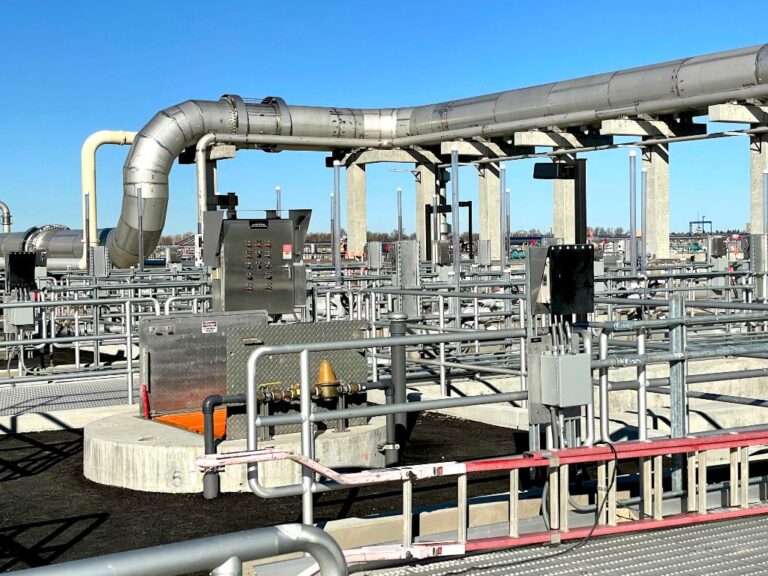
Image credit: romtecutilities.com
As a result, designing a pump station isn’t simply a matter of identifying one flow number and selecting equipment capable of meeting it. Engineers must be aware of the potential conditions under which the system can be utilized.
Think beyond the capacity of your equipment, but also the operating conditions
It is evident that maximum flow is important however, it’s only one part of station operation. Let’s say that a wastewater system is constructed to handle a large volume of flow. The majority of the time, the incoming flow is lower. The station must be operational during normal timeframes.
This raises questions such as the sizing and size of the pump, control of head condition, the best way to modify equipment when demand shifts.
The design of a well engineered package pump system considers the needs of the location, instead of focusing solely on the maximum pump capacity.
Everyday, the Wastewater System has its own Rhythm
The influent conditions at a wastewater liftstation which serves homes as well as businesses or municipal infrastructure may change during the course of the operation.
The station’s control strategy determines how the system is able to collect wastewater and operate its pumps. The structural dimensions, the pumping equipment and piping as well as electrical parts and controls all play a an important role in this process.
Design may also take into account other considerations for the specific site. Romtec Utilities will incorporate any other systems like grinders, vaults and odor control devices as needed. The result is a station that is designed specifically for the project, rather than being a generic design which can be applied to all wastewater sources.
Stormwater changes much more quickly
Stormwater is a completely different process. When it is dry, a stormwater lift station is likely to not be utilized much. However, during extreme storms, the station could witness a significant rise in activity. The station may be part of a larger flood control strategy or even a detention, treatment or drainage plan.
Romtec Utilities evaluates factors including the flow rates required, head conditions, system size and site requirements. environmental aspects when designing these systems.
Stations that serve commercial developments could be very different from those intended for municipal stormwater systems.
Head Conditions Matter Along With Flow
Moving 1,000 gallons is only part of the engineering problem. Engineers also need to know the direction of the water and the resistance that the pumping system will have to overcome.
The head condition of the pump is influenced by several factors, including elevation changes and piping configurations, discharge conditions, and other system characteristics.
The connection between flow rates and head is the reason that deciding on a motor solely on its capacity rating does not work. Pump technology and station layout must meet the hydraulic demands of the particular application.
Design to meet the conditions that the Station will Experiece
Romtec Utilities develops customized pumping systems for stormwater, wastewater cleaner water, booster, industrial, and other applications. The procedure can involve budgeting and preliminary design including complete plans, system supply, documentation, and startup, testing and commissioning.
The idea behind the design is simple Pumping systems don’t require a long time to work in a set of favourable conditions.
They encounter shifting flows, changing requirements, and project-specific hydro demands. It is vital to develop a station to handle this reality.